When to Seek Expert Orthopaedic Care for Hip and Knee Pain
Persistent hip pain or knee pain can quietly limit your daily activities before you even realise it. When simple remedies no longer ease discomfort, it’s a sign to consider expert orthopaedic care. In this post, I’ll share key signs that suggest it’s time to consult an orthopaedic surgeon in North Wales and explore how personalised care can restore your joint health. For more information, visit this link.
Recognising the Need for Orthopaedic Care

Understanding when to seek orthopaedic care is crucial for your joint health. Persistent pain can signal a deeper issue needing professional assessment.
Persistent Hip and Knee Pain
Do you feel like your hip or knee pain just won’t quit? This ongoing discomfort might be more than just a minor annoyance. When pain lingers, it can gradually limit your movement and affect your daily life. Many people try to push through, hoping it will disappear on its own. Sadly, ignoring these signs often leads to more severe problems. The longer you wait, the more complex the treatment might become. Identifying these signals early can be a game-changer for your joint health.
Assessing Joint Health Concerns
You might ask, “How can I tell if my joint concerns are serious?” Pay attention to swelling, stiffness, or a popping sensation. These are red flags that shouldn’t be ignored. When your knee doesn’t allow you to climb stairs easily or your hip aches after a short walk, it’s time to take action. Often, these symptoms are brushed off as normal ageing. But here’s the key insight: they aren’t normal and deserve attention. Seeking expert advice early can prevent further damage and keep you moving freely.
When to Consider Expert Intervention

At some point, self-care measures might not be enough. Knowing when to consult an expert can save you from prolonged discomfort and additional complications.
Signs of Severe Hip Pain
Is your hip pain keeping you up at night? Severe hip pain can disrupt more than just your sleep. If the pain persists despite rest and medication, it’s a sign that professional help is needed. Experiencing sharp pains, especially during movements like bending or twisting, indicates something more serious. Most people assume hip pain is a temporary condition, but chronic issues can lead to long-term damage. Identifying these signs early can lead to a more effective treatment plan.
Indicators of Knee Pain Needing Attention
Knee pain can sneak up on you, starting as a dull ache and progressing to a sharp, debilitating pain. If you’re finding it difficult to stand up after sitting or your knee feels unstable, it’s time for a closer look. Ignoring these signs can risk further injury. Some might think knee pain is part of getting older, but that’s a myth. Addressing these indicators promptly can prevent further joint deterioration and improve your quality of life.
Exploring Treatment Options
Once you recognise the need for care, exploring your treatment options becomes essential. There are several paths to relief, each tailored to your specific needs.
The Benefits of Minimally Invasive Surgery
Minimally invasive surgery can be a game-changer for those suffering from joint pain. This approach offers several advantages. First, it typically results in less pain post-surgery and a quicker recovery time. This means you can get back to your daily activities faster. Second, there’s often a smaller scar, which many find preferable. Traditional surgery methods might leave you more uncomfortable and require a longer healing period. But with minimally invasive techniques, the benefits are clear: quicker recovery and less visible scarring, making it a preferred choice for many.
Personalised Care with an Expert Surgeon 🩺
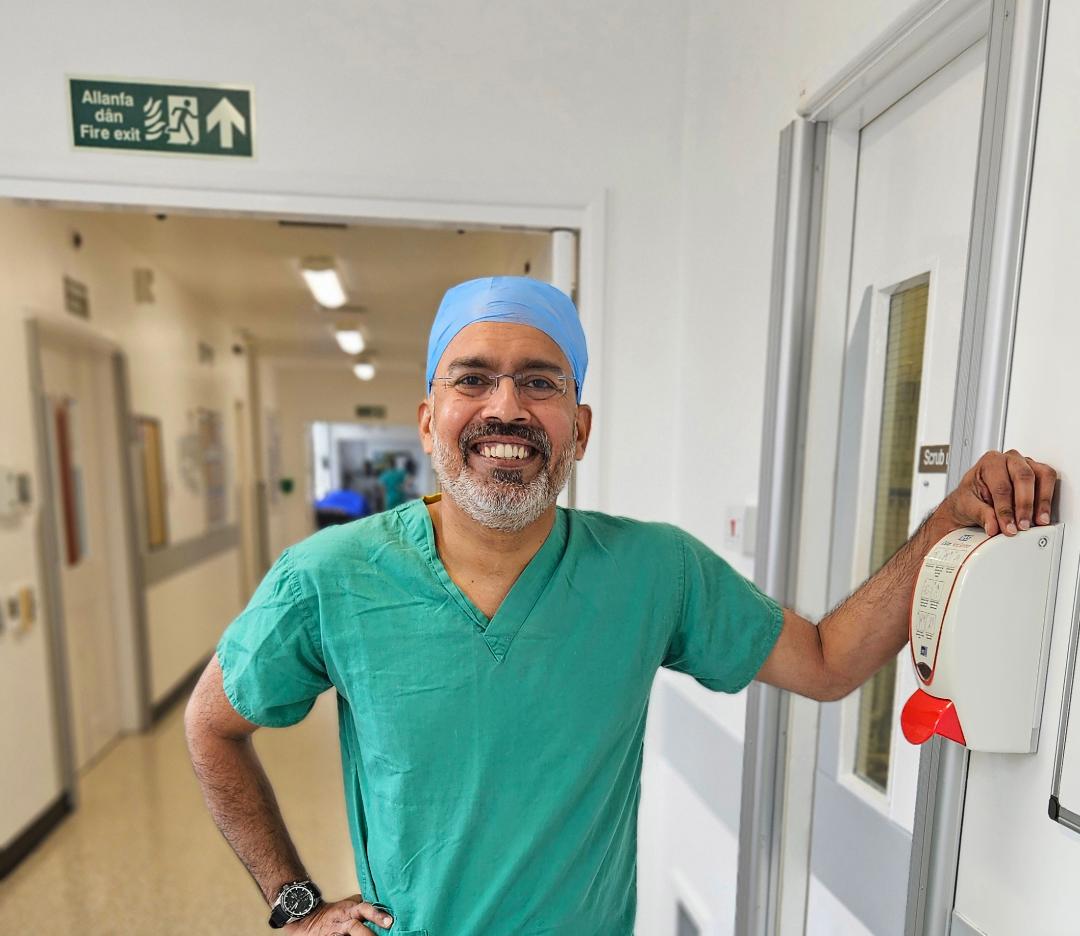
When you opt for personalised care, you’re choosing a treatment plan tailored to your needs. An expert surgeon like Prof. Ibrahim Malek focuses on understanding your lifestyle and specific concerns. This ensures that your recovery is as smooth and effective as possible. You might think all surgeries are the same, but that’s far from true. Personalised care means you’re not just another patient; your unique circumstances guide every decision, maximising your recovery potential. Trusting your care to an expert ensures you’re in capable hands, paving the way for a healthier, pain-free life.