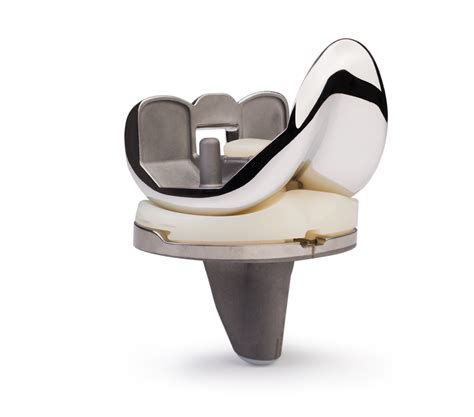
The Partial knee replacement, also known as unicompartmental knee replacement, is a modern surgical option for people who have arthritis that affects only one part of the knee joint. • Instead of replacing the whole knee joint, only the damaged area is replaced with an implant. • The healthy bone, cartilage, and ligaments are left intact. • This makes the surgery less invasive compared with a total knee replacement, where all compartments of the knee are replaced. • Preserving more of the natural knee helps the joint to feel and function more normally after surgery. • This option is particularly helpful for patients with localized arthritis that has not responded to non-surgical treatments.
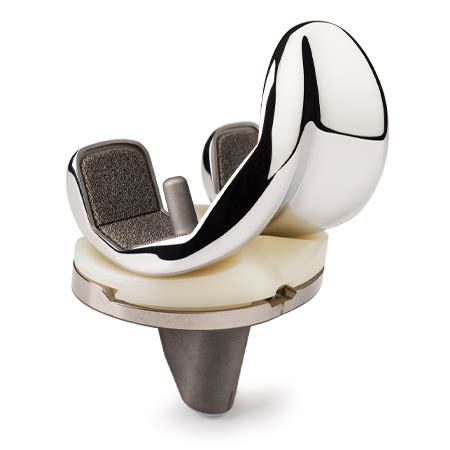
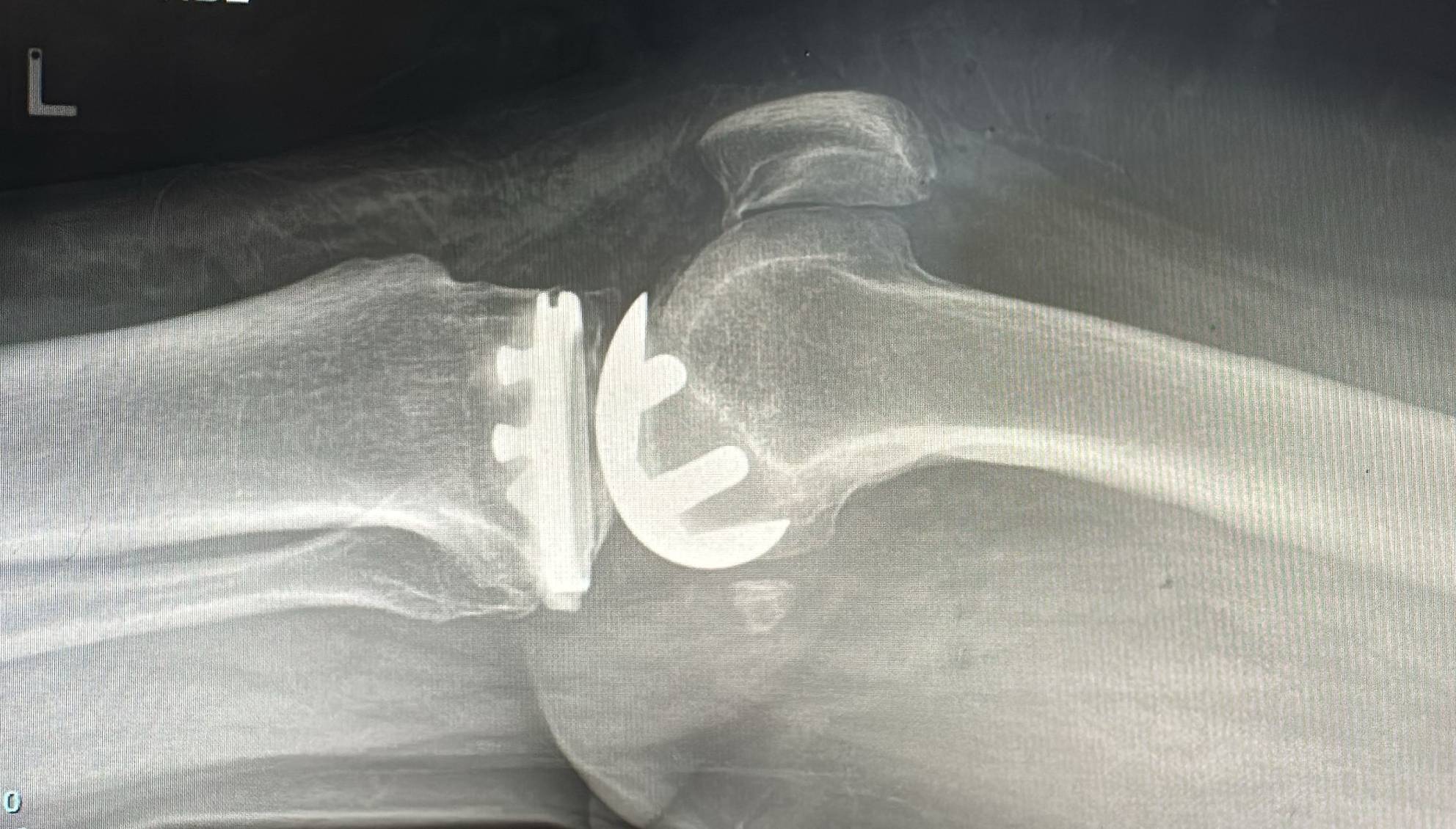
Zimmer Persona Partial Knee full implant system


What Is Partial Knee Replacement?

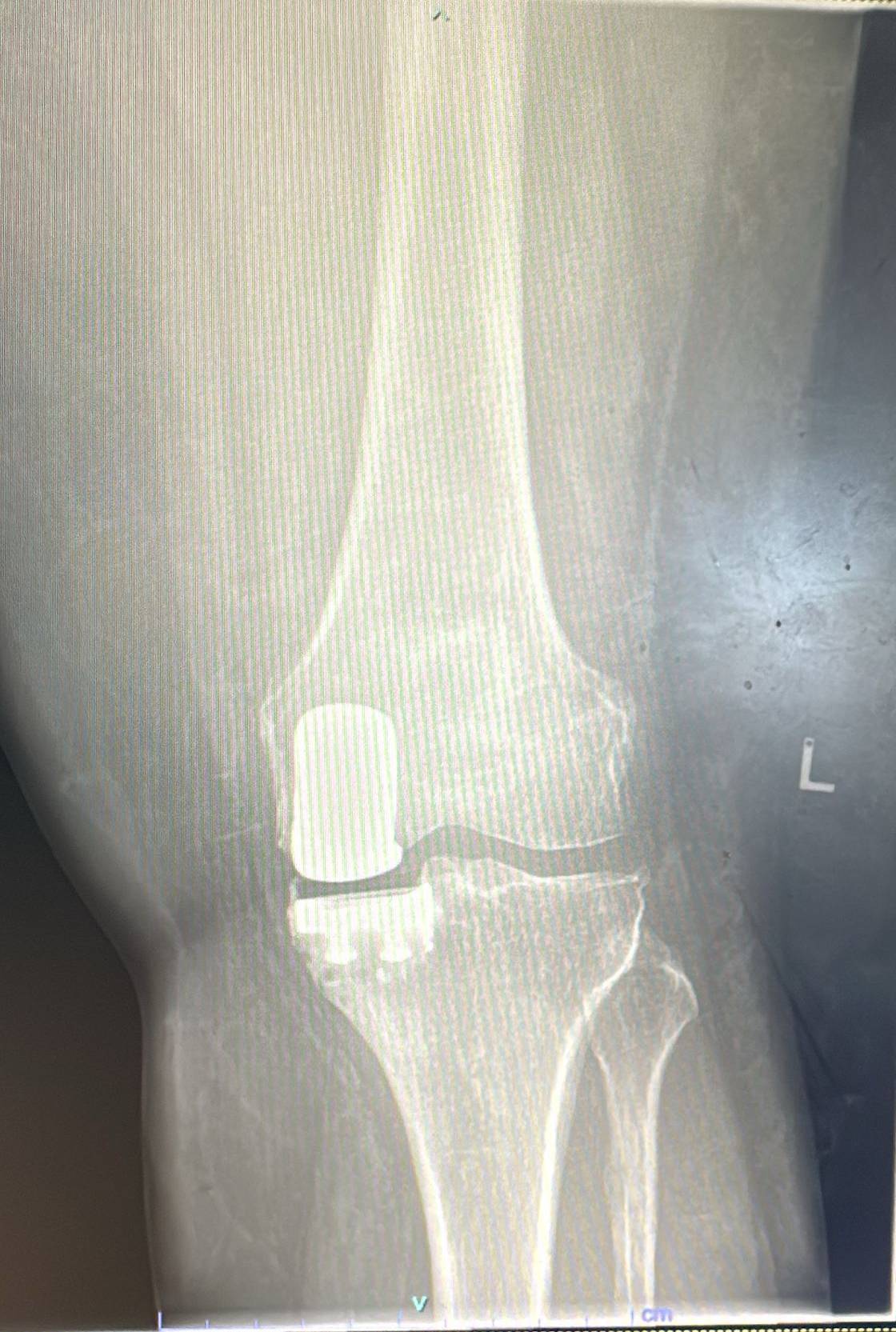
The human knee joint is a hinge joint that allows bending, straightening, and slight rotation. It is made up of three main compartments: 1. Medial compartment – the inner side of the knee, located between the femur (thigh bone) and tibia (shin bone); 2. Lateral compartment – the outer side of the knee, between the femur and tibia; 3. Patellofemoral compartment – the front of the knee, where the kneecap (patella) glides over the femur. Arthritis does not always affect the whole knee. In many people, only one compartment is damaged, most commonly the medial compartment. When arthritis is limited to one area, replacing the entire knee is unnecessary. A partial knee replacement targets only the affected compartment. The healthy areas of the joint are preserved, which helps maintain natural knee motion.


Benefits of Partial Knee Replacement

Smaller incision – The cut made during surgery is shorter. Less soft tissue, muscle, and bone are disturbed. This results in quicker healing and less scarring.

Faster recovery – Because less tissue is damaged, patients are able to stand and walk sooner, often on the day of surgery itself.

More natural knee movement – The healthy ligaments and cartilage are preserved. This allows the knee to bend, straighten, and rotate in a way that feels more like the original joint.

Less pain after surgery – Smaller cuts and less tissue disruption mean lower pain levels compared with a full knee replacement.

Shorter hospital stay – Most patients are able to go home within one to two days. Some centers even perform the procedure as a same-day surgery.

Return to activity:
• Most patients are able to walk normally within weeks.
• Driving is usually possible by 4–6 weeks.
• Light exercise such as cycling, swimming, and walking can also resume within this time frame.
• Many patients report the joint feels more “natural” compared with a total knee replacement.

My Approach

For my patients, I use the Zimmer Persona Partial Knee (PPK) implant. This is a state-of-the-art implant system used worldwide. It is carefully designed to match the natural shape of the patient’s knee. The design ensures a secure fit, good joint stability, and long-term durability. The materials used are highly resistant to wear and designed to last for many years.

Evidence and outcomes: The Zimmer PPK has been studied in the UK National Joint Registry (NJR). The NJR collects real-world data from thousands of patients across the country. The registry shows that this implant has excellent results, with high patient satisfaction and strong long-term survival rates. This means the implant is proven to work well for most patients and is reliable in the long term.
 

What Is Partial Knee Replacement?

Not every patient with knee arthritis is suitable for a partial replacement. It is recommended for patients who:

  • Have arthritis limited to a single compartment (usually the medial side).
  • Have good knee stability – the ligaments are strong and functioning normally.
  • Have a reasonable range of motion in the knee.
  • Have tried non-surgical treatments first, such as physiotherapy, medications, weight management, or injections, but continue to have pain and reduced function.

Patients who may not be suitable:

  • Those with arthritis affecting more than one compartment.
  • Those with severe knee deformity (bow legs or knock knees).
  • Patients with ligament instability or severe stiffness.
  • In such cases, a total knee replacement is usually a better option.

Recovery and Rehabilitation

Recovery after partial knee replacement is usually quicker compared with total knee replacement.

Day of surgery

  • Many patients are able to stand and walk with support from a physiotherapist.
  • Weight-bearing on the operated leg is usually possible straight away.

1–2 days after surgery

  • Most patients are ready to go home.
  • Discharge depends on pain control, ability to walk safely with crutches, and confidence in daily activities.

2–4 weeks after surgery

  • Most patients can walk without much support.
  • Light daily activities such as cooking, light housework, and short walks are usually possible.
  • Stitches or clips are removed around 10–14 days.

4–6 weeks after surgery

  • Driving is usually safe once strength and reaction time are back to normal.
  • Light exercise such as cycling, swimming, and longer walks can be resumed.

3 months after surgery

  • Most patients achieve full recovery.
  • The knee feels strong, stable, and comfortable for most everyday activities.

Rehabilitation

  • Physiotherapy is essential.
  • Exercises focus on restoring movement, strengthening thigh and calf muscles, and improving balance.
  • Patients are encouraged to do regular home exercises alongside supervised physiotherapy sessions.
  • Active participation in rehab ensures the best outcome.

Why Choose Partial Knee Replacement?

It preserves more of your natural knee compared with a total replacement.

Recovery is faster, allowing you to return to daily life sooner.

The surgery is supported by strong evidence from national data.

The Zimmer Persona Partial Knee implant has an excellent record of durability and patient satisfaction.

Patients often report their knee feels more “normal” than after a total knee replacement.

Summary

Partial knee replacement is a safe and effective surgical treatment for carefully selected patients with arthritis affecting only one part of the knee.

It involves a smaller operation than a total knee replacement, with quicker recovery and more natural knee function.

The use of the Zimmer Persona Partial Knee (PPK), supported by excellent results in the UK National Joint Registry, ensures patients can expect long-term success.

With the right patient selection, careful surgery, and committed rehabilitation, partial knee replacement allows patients to return to active, independent living with less pain and better function.