
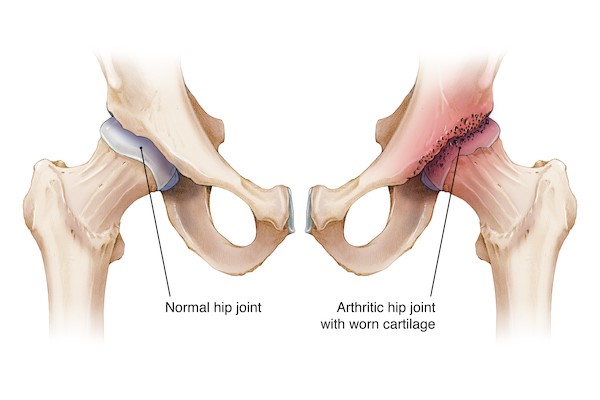
Hip arthritis can be extremely debilitating. Patients often feel pain around the upper thigh but mostly in the groin (yes, that’s where a hip joint is!) Other classical symptoms are difficulty in putting on shoes and socks, getting in and out of a car, limping and pain during intimacy.
As the arthritis progresses patients report worsening difficulty sleeping during the night due to pain. This symptom is generally a game changer for most orthopaedic surgeons as it means that some form of surgery should be considered to improve the patient’s quality of life.
Over the years our expectations have not surprisingly changed. We expect to live longer, and we expect to be more active in later years.
A middle aged patient typically prefers an active lifestyle and remain involved in sporting activities such as golf and tennis, and hobbies like cycling, hiking and hill walking. I would be delighted to provide an expert opinion, recommendations and realistic outcome of treatment options for these patients.
Non-operative treatment of hip pain
Hip and knee arthritis are not life threatening conditions. In the majority of cases there is no need for urgent surgery. It is always better for you to try various steps other surgery to manage your symptoms. These steps will also help you immensely during your recovery if you need an operation in future.Help yourself:
- Weight reduction: Easier said than done I know but even moderate weight reduction will improve your hip and knee pain immensely. Not only that, it will reduce your risk of complications after the surgery should you need it in the future. It is a good idea to seek expert help for weight management: it will be worth it!
- Light exercise & Aqua-therapy: Please try to keep yourself mobile with light walks whenever possible. This will prevent muscle weakness and maintain stamina. You should undertake non-impact exercises such as cycling and pilates, cross-trainer and yoga if possible. Gentle exercises in the pool to tone and strengthen your muscles will be of great help even if you can’t swim.
- Balanced diet: Adequate nutrition is essential for healing. Your diet should involve healthy portions of various components including fruits, vegetables, meat and oily fish. You can also get expert advice from a good dietician.
- Stop Smoking: This is a no-brainer!
Help from your GP:
- Your GP should be your first point of contact if you need further help. They can advise you regarding appropriate painkillers and can also refer you to a very successful ‘Lifestyle Management’ program if you need it.
Help from me:
Based on my assessment of your condition, I may offer a joint injection of steroid and local anaesthetics if you are not ready or do not want an operation. Many patients do find significant pain relief for some time but length of pain relief is not guaranteed. I also do not tend to operate within 3 months of joint injectionHip Replacement
If your symptoms haven’t resolved with pain killers and physiotherapy, the time may have come for a hip replacement. The results of hip replacement surgery are very predictable and recovery is reliable in most cases. It is extremely successful in improving your quality of life – in reducing pain and stiffness and in increasing your mobility. I perform about 200 successful hip replacement procedures per year.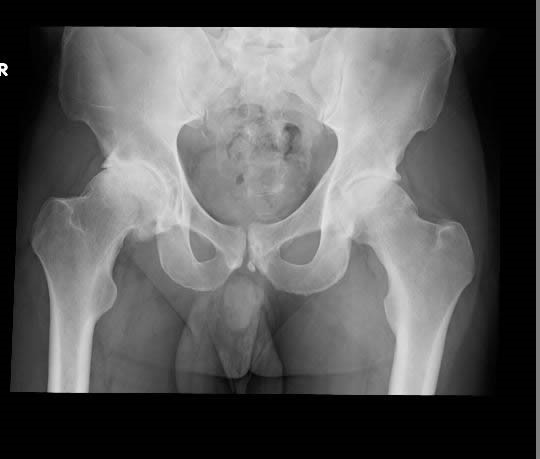
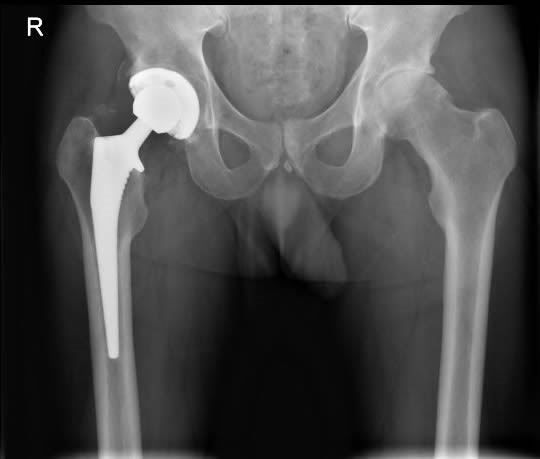
The long term success of hip replacement depends on ‘Getting It Right First Time’ and this requires meticulous pre-operative planning and perfect execution of this plan during surgery.
It involves removing the worn hip joint and replacing it with metal implants in the socket (Pelvis) and thigh (Femur) bones. I will show you the actual implants which I recommend once I have assessed you. You might be surprised to note that they are not connected to each other! It does need a reasonable amount of skill from your surgeon to achieve a good balance between movement and stability of hip joint. The operation takes approximately 60-90 minutes to complete and your expected length of stay in hospital is between 2-3 days – but many of my patients are ready to go home the next day or sometimes on the same day, i.e., ‘Day-Case’ hip replacement!
I recommend that you do ask your surgeons a few key questions about the operation. A responsible surgeon will always welcome this.